
What does a film producer do? A producer keeps a film moving from idea to finished product: securing the story, raising the money, hiring the team, protecting the schedule and budget, and getting the finished film to buyers.
The role is easier to understand as one stage among several in the wider business, which the entertainment industry guide lays out. StereoVision is an independent informational site and is not affiliated with any studio, guild or production company.
The producer’s job in one picture
A director is responsible for the creative vision on screen. A producer is responsible for making the whole project possible. That means the producer is usually the first person attached to a film and the last one to leave, since the work starts before there is a script worth shooting and continues until the film has been delivered and sold.
The Producers Guild of America describes itself as a non-profit trade organization that represents, protects and promotes the interests of all members of the full producing team in film, television and emerging media, according to the Producers Guild of America about page. The phrase “full producing team” is the useful part: on most films producing is a shared job split across several titles, not a single person.
Titles differ from project to project and from country to country, and the credit a person receives often depends on contracts and guild or awards rules rather than on a universal definition. The descriptions below are general, and the exact duties of any one credit vary.
Development: finding and shaping the project
Development is the stage before anything is shot. A producer finds a story, whether an original screenplay, a book, an article, a play or an existing film worth remaking, and secures the right to use it. That usually means an option, a contract giving the producer exclusive time to try to set the project up, and later a purchase of the rights if the film goes ahead.
The producer then helps shape the material. That can include commissioning rewrites, finding a director, and attaching actors whose names make the film easier to finance. A project with a recognized director and cast is a stronger proposal to a studio or investor than a script alone, so producers spend much of this stage assembling a package that makes a convincing case.
Alongside the creative work sits legal and practical groundwork: confirming who owns the underlying material, drafting a rough budget and schedule, and deciding which kind of buyer the project suits, such as a major studio, a streaming service or independent financiers.
A script may lose its lead actor, a financier may withdraw, or a rights deal may fall through, so producers keep a slate of titles at different stages and expect only some of them to be made. This is one reason producing is a business of relationships and patience as much as taste.
Financing: raising and managing the money
A film does not begin shooting until the money is in place, and raising it is often the producer’s biggest task. Large studio films are financed largely by the studio itself. Independent films stitch money together from several sources, and the producer negotiates each piece. The common building blocks and how they stack are explained in the overview of independent film financing.
Producers also manage the budget once it exists. They approve major spending decisions, keep track of cost against plan, and make trade-offs when a day is lost to weather or a location falls through. Insurers, lenders and completion guarantors may have a say, and keeping those parties confident is part of the job.
Pre-production and production: building and running the shoot
With financing in place, pre-production is the period in which the plan becomes concrete. Producers hire the department heads, approve the shooting schedule, lock down locations, negotiate with unions and guilds, and make sure contracts are signed with cast and crew. Much of this is delegated to line producers and production managers, who break the script down into scenes, days and costs.
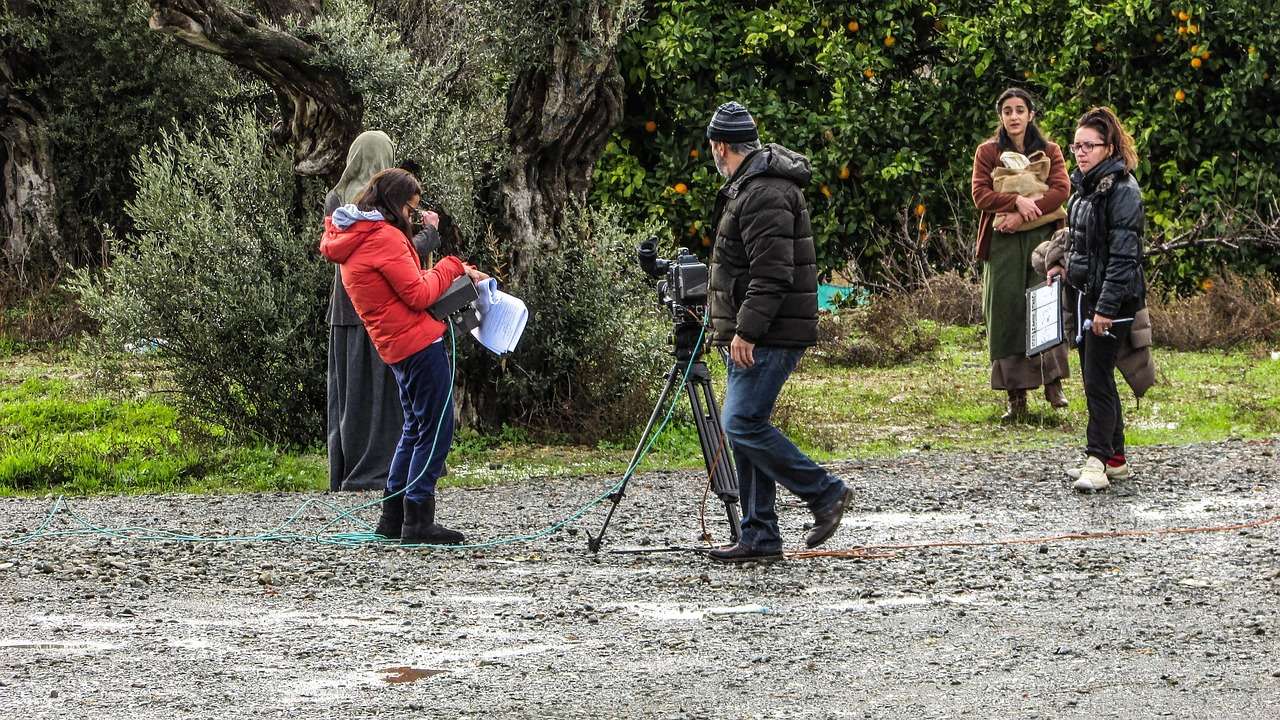
During production the producer’s presence is less about the camera and more about problem-solving. Weather, injuries, equipment failures, permits and creative disagreements all threaten a schedule, and someone has to decide what to cut, what to protect and what to pay for. The best producers act as a buffer between the creative team and the financiers, explaining each side to the other.
The producing team on a larger film commonly includes several titles with different duties.
- Executive producer: often connected to financing, rights or a studio or company relationship, and usually less involved day to day.
- Producer: responsible for the project as a whole across development, production and release.
- Co-producer or associate producer: supports a producer with specific tasks or brings a particular resource to the project.
- Line producer: manages the budget and logistics of the shoot itself.
These descriptions are general. Credits are governed by contracts and by the rules of guilds and awards bodies, and the real division of work differs from film to film.
Post-production, release and what comes after
When filming ends, the producer oversees editing, visual effects, music, sound and the final delivery of the film in the technical formats buyers require. The producer is the link between the director’s cut and the studio or financiers who have to approve the final version, and disagreements over that cut are one of the most common sources of tension in filmmaking.
The producer’s responsibility then moves to sales and release. For an independent film that can mean festival submissions, working with a sales agent and negotiating with distributors, as explained in the guide to the film distribution windows. The producer also tracks the money coming back, since investors, lenders and talent with a share of revenue expect to be paid in the order the contracts set.
The same role exists on television, where the person at the center of a series is often a writer-producer, a topic covered in how tv shows get made. The skills overlap, but the structure of the deals and the length of the commitment are different.
Across all of these stages, the common thread is accountability. When a film runs over budget, misses a delivery date or loses a financier, the producer is the person expected to find the fix, and when it succeeds, the credit is often shared with a team that the producer assembled. That mix of responsibility and shared recognition is why the title is both prestigious and widely misunderstood.
Frequently asked questions
Is a producer the same as a director?
Show answer
No. The director leads the creative work on screen, while the producer is responsible for making the project possible, including rights, financing, hiring, scheduling and release. One person can hold both roles on a small film.
What does an executive producer do?
Show answer
The title often goes to someone who helped finance the film, brought in rights or talent, or represents a company with a stake in it. The actual involvement varies widely by project and contract.
Do producers get paid before the film makes money?
Show answer
Often producers receive a fee tied to the budget, and may also hold a share of any profits. The details depend on contracts and vary by country and by deal.
How does someone become a producer?
Show answer
There is no single route. Many producers start in production roles, development or assistant jobs, or begin by making short films, and build track records that help them attract financing.