How to release a song independently: finish and master the recording, settle ownership and credits, choose a distributor, prepare metadata and artwork, register the song for royalties, and schedule the release with time for promotion.
This overview fits into the broader process laid out in the music production guide. StereoVision is an independent informational site and is not affiliated with any distributor, streaming service or label, and nothing here is legal or financial advice.
Finish the recording and settle who owns what
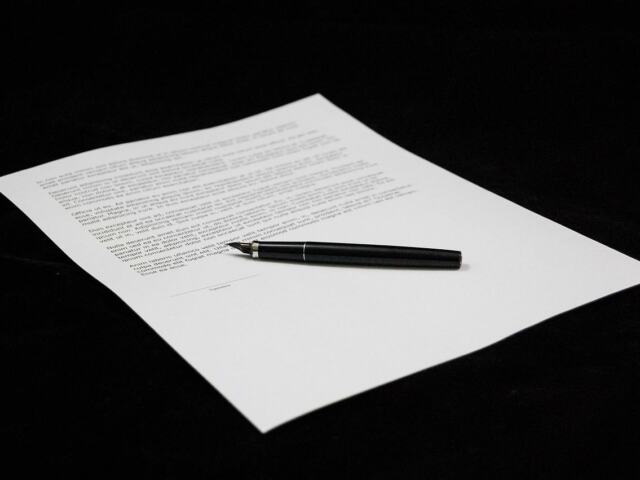
An independent release begins with a finished recording and a clear understanding of who is involved. Every person who wrote or performed on the song, and anyone who produced or engineered it, should have an agreement on credits and on how income is shared. Disagreements about splits are common and are far easier to settle before release than after money starts to arrive.
It also helps to clarify what is original. Samples, borrowed melodies and uncleared recordings are a frequent source of takedowns and disputes, so an artist who has used any outside material needs permission for it or should remove it. Recordings of existing songs, known as covers, usually require a license, and the rules for obtaining one differ by country.
Keeping written records of splits, session details and any permissions will save time later. These documents are also what a distributor, collecting society or future partner will ask for if a question arises about the song.
Master the track and prepare the files
Mastering is explained in detail in the guide to what is music mastering, and for most releases it is the last creative step before the file leaves the artist’s hands.
Distributors specify the file formats they accept, typically uncompressed audio with a defined resolution, and artwork in a square format at a minimum size. Checking those requirements early avoids rejections and delays. The artwork should be an original image or properly licensed, free of logos or text that could suggest an endorsement, and should not mislead listeners about the artist or content.
Metadata deserves equal attention. Titles, artist names, writer names, version information and any explicit-content flags all travel with the song through every service, and mistakes are hard to fix once the song is live. Consistent spelling of the artist name across releases also helps listeners and services link the catalog together.
Choose a distributor and plan the release date
A digital distributor is the company that delivers the song to streaming services and download stores on behalf of the artist. Distributors differ in pricing models, such as a yearly fee, a per-release fee or a share of revenue, in the services they reach and in the extra tools they offer, such as pre-save links, analytics and royalty collection. The artist should read the terms carefully, especially around who owns the rights, how long the distributor keeps the song and how payments are made.
The release date is a planning tool. Submitting the song to the distributor well before the intended date gives time for delivery, review and any corrections.
Release strategy varies. Some artists release a single song, others build up to an album or extended play with a series of singles, and the choice depends on the artist’s audience, schedule and goals. A consistent release pattern generally keeps listeners engaged better than a single isolated release.
Register the song so you can be paid
Streaming income is only part of the picture. A songwriter should also register the composition so that performance and mechanical royalties can be collected, a process outlined in the guide to how music royalties work. Writers usually affiliate with a performance rights organization in their territory, and in the United States songwriters and publishers register works with the mechanical collective.
The Mechanical Licensing Collective states on its site that anyone entitled to receive digital audio mechanical royalties for use of their music in the U.S. should become a member of The MLC, according to The MLC website. Whether and where to register depends on the artist’s country and on whether they self-publish, so it is worth checking the current rules for the places the song will be played.
Keep identifiers organized. Recordings and compositions carry codes that let services and societies match usage to the right owner, and the distributor will often assign the recording code at upload. Writing down the codes for each release prevents confusion and speeds up any later claim.
Promote it and learn from the results
Promotion is what turns a published song into one that people hear. Basic groundwork includes a clear artist profile on each service, a short biography, good photographs and a link page that points to the song. Sharing the release with an existing audience, contacting relevant blogs and playlist curators and coordinating with other artists can all help, and a short, clear announcement makes this easier.
The same principles used for film and television announcements apply here: lead with the news, give accurate details and make it easy for a writer to cover. An artist whose song appears in a film or series may also pursue a soundtrack release, a path described in the overview of movie soundtrack albums.
After release, the data tools provided by services and distributors show where listeners are and which playlists drive plays. Using that information to plan the next release is part of working independently. Results vary widely, and nothing can guarantee an audience, so patience and a steady release rhythm usually matter more than any single campaign.
Budget deserves a plain look as well. Costs usually include mixing and mastering, artwork, distribution fees, and any promotion the artist chooses to pay for. Setting a modest, realistic budget for each release and tracking what was spent against what was earned helps an independent artist keep releasing music over time without relying on a single hit to cover the bills.
Frequently asked questions
Do I need a label to release music?
Show answer
No. Independent artists can use a digital distributor to deliver songs to streaming services and stores. A label can add funding and promotion but is not required.
Who owns the song after I use a distributor?
Show answer
Usually the artist keeps ownership and the distributor receives a license to deliver the recording. Terms differ by company, so read the agreement carefully.
Do I need to register the composition separately?
Show answer
Generally yes, to collect writer and publisher royalties, which are separate from streaming income paid through the distributor. The process depends on your country.
Can I release a cover song?
Show answer
Usually only with a license for the composition, and rules vary by country. Many distributors offer help or guidance for cover licensing.