Music production runs from a song idea through recording, mixing and mastering to rights paperwork and release. This music production guide walks through each stage in order and explains where the decisions made early affect what happens later.
It is an independent informational resource, not affiliated with any label, studio, platform or company, and it points to deeper pages on each stage below.
From idea to arrangement
Every release starts with a song, and a song is two things at once: a piece of music, meaning the melody, harmony and rhythm, plus any lyrics, and later a recording that captures one performance of it. The distinction sounds academic, but it shapes both the creative process and the legal one, which later sections cover.
Writing can happen alone with a guitar or keyboard, in a group, or inside software where loops and sounds are assembled into a draft. The output is usually a rough version, called a demo, that proves the idea works. Demos are meant to be disposable. The aim is to test structure, such as verse, chorus and bridge, and tempo and key, before money and studio time are committed.
Pre-production is the stage between demo and final recording. The team settles the arrangement, decides which instruments carry the melody, rehearses the parts and chooses a recording approach. Producers earn their keep here. A producer shapes the sound and guides performances, and decisions on tempo, instrumentation and the length of an intro are far cheaper to change before anyone has recorded a take.
- Structure: where the hook arrives, how long sections last and how the song builds.
- Instrumentation: which sounds are live, which are programmed and which are layered.
- Reference tracks: existing songs used as a guide to tone and balance, never to copy.
- Roles: who writes, who performs, who produces and who owns what, ideally agreed in writing early.
Agreeing roles early matters more than it seems. Disputes over who wrote which part of a song are among the most common problems later, because ownership shares determine how income is divided once the music is released.
Budget and schedule are also set here. Even a small project benefits from a simple plan listing the number of sessions, who is paid for what, and when each stage should finish. Teams that skip this step often run out of time at the mixing stage, which is the worst place to run short, because mixing and mastering decide how the finished record sounds to listeners.
Thinking about delivery early prevents expensive rework at the end.
Recording the performances
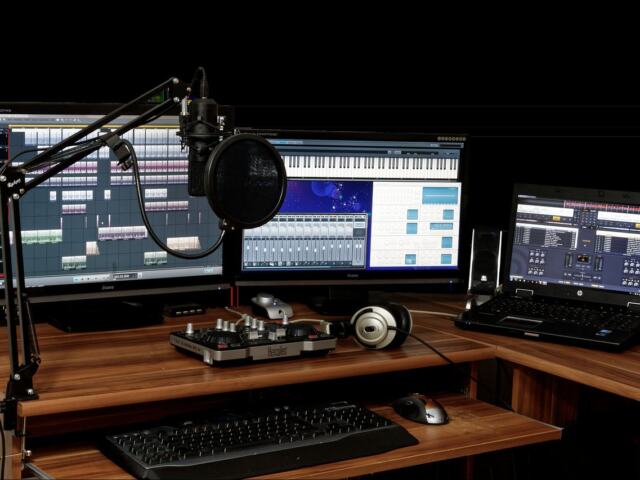
Recording turns performances into audio files that can be edited and combined. The usual workflow is multitrack: each instrument or voice is captured on its own track so that it can be adjusted independently later. A digital audio workstation holds these tracks, and engineers use microphones, preamps and audio interfaces to get a clean signal into it.
Engineers care about a handful of fundamentals. A quiet room reduces unwanted noise, microphone placement changes tone, and gain staging, which means setting levels so the signal is strong without distorting, keeps quality high for the rest of the chain. Distortion that is captured at this stage is usually permanent, so most engineers record cautiously.
Monitoring matters just as much. Musicians playing in the same room hear themselves through headphones, and a good headphone mix helps them play in time and in tune. Latency, the small delay between playing a note and hearing it, can throw off a performance, so engineers set up sessions to keep it low. Clear labels on every track, takes and file name save hours later, because a mix engineer who receives a messy session spends the first part of the job just tidying it.
Producers also work on performance. A singer who is relaxed and prepared gives a better take than one who is repeating the same line over and over, so sessions are paced around energy. Several takes are often recorded and edited together into a composite, a process called comping, which selects the best phrases across takes.

Programmed and sampled material sits beside live recording. Electronic producers may build most of a track from synthesizers, drum machines and software instruments, and still go through the same later stages. The tools differ, but the goals of clarity, balance and emotional impact do not.
Mixing the tracks together
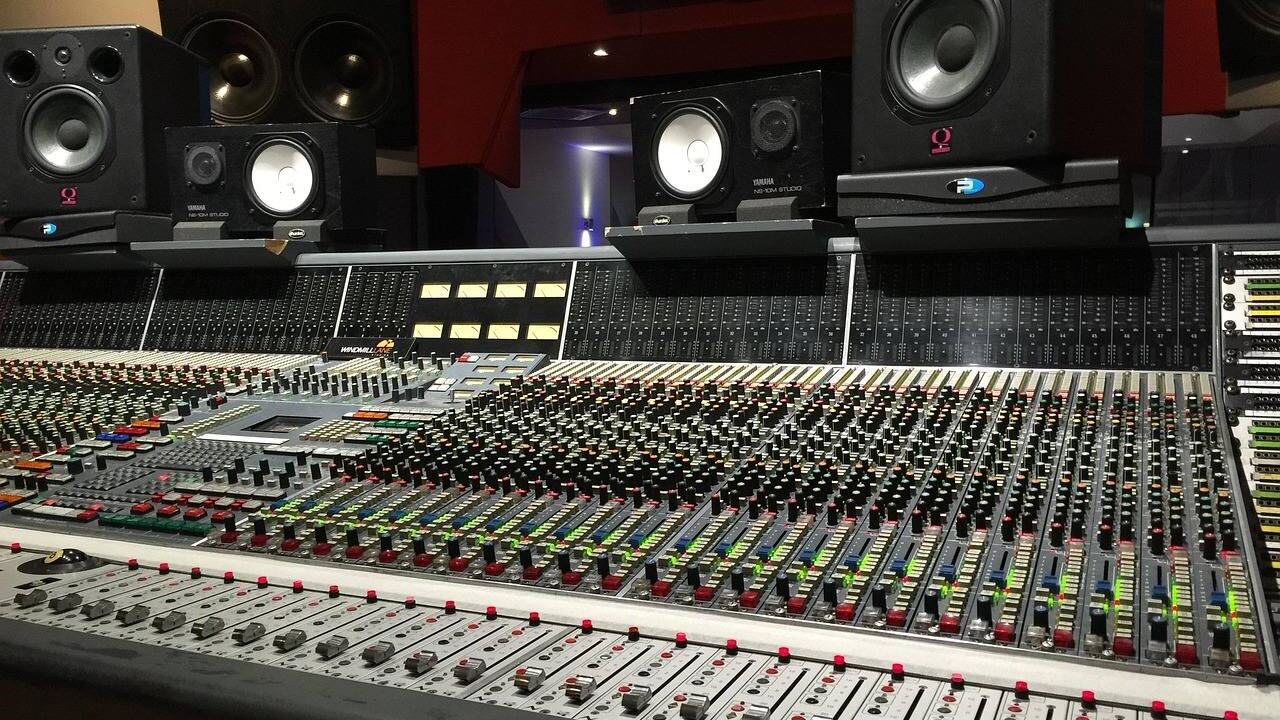
Mixing combines all recorded tracks into a finished stereo picture. The mixer balances volume, places each sound left or right, shapes tone with equalization, controls dynamics with compression and adds effects such as reverb and delay for space. The mixer’s job is to make each part audible while keeping the song’s emotional focus on what matters most, usually the vocal or lead instrument.
Good mixes are built in layers. Engineers often start with the rhythm section and add elements until the whole song feels balanced, then check the result on several playback systems, such as studio monitors, headphones, a car and a phone speaker. A mix that holds up on all of them is more likely to survive the real world.
Revisions are a normal part of mixing. A mixer delivers a first version, the artist and producer listen over a few days, and notes come back: more energy in the chorus, less reverb on the voice, a guitar that sits too far forward. Good communication helps here. Describing what a listener should feel, rather than naming technical settings, usually gets a better result, and fresh ears after a break catch problems that long sessions hide.
Stems are often delivered alongside the final mix. These are grouped sub-mixes, such as drums, bass, vocals and music, that let other people rework the song later. They are especially useful when a song is placed with moving pictures, because an editor may need a version without the lead vocal or with a quieter band under dialogue.
- Balance: relative levels of every element.
- Panning: position within the stereo field.
- Equalization: removing clashes between sounds that occupy the same frequencies.
- Dynamics: controlling the gap between quiet and loud passages.
- Effects: adding depth, space and character.
Mixing comes before mastering for a reason. Problems in a mix, such as a buried vocal or clashing instruments, are best repaired at mix level, where each element can be changed on its own, instead of in the final stage, where everything is already combined.
Mastering and delivery formats
Mastering is the final technical step. It treats the finished mix as one piece of audio, adjusting overall tonal balance, controlling dynamics and setting final loudness so the track sits well beside others and translates across playback systems. It is also where tracks for an album are sequenced and matched, and where files are prepared in the formats that stores, streaming services and manufacturers ask for. The detailed explanation is in the guide on what is music mastering.
Mastering engineers work with fresh ears and a monitoring setup designed for accuracy. That outside perspective is part of the value: after weeks inside a mix, the production team is too close to judge it. A mastering pass cannot rescue a poor mix, but it can bring consistency and polish to a good one.
Preparation helps the handover. Sending a reference version and any notes about the intended feel also saves time, because the mastering stage then supports the artist’s goals instead of guessing at them.
Formats continue to evolve. Stereo remains the default for most releases, but immersive formats place sounds around and above the listener. The explanation of spatial audio covers surround, Atmos and headphone rendering, and shows how a stereo release and an immersive release may require separate mixes.
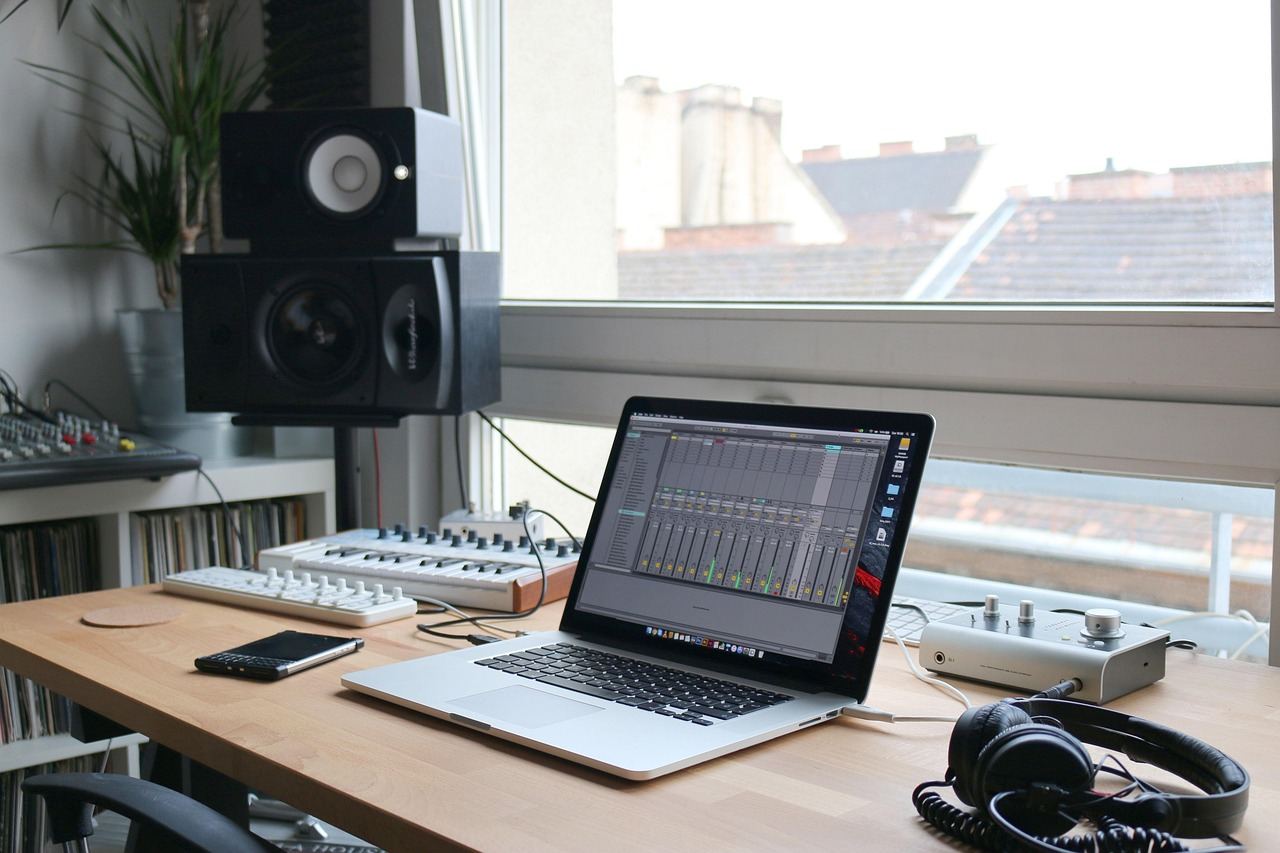
Delivery also includes metadata: track titles, writer names, performer credits and identifying codes. Accurate metadata is easy to skip and hard to fix later, because it travels with the audio into every store, and mistakes can delay payments when royalties are later collected.
Alternate versions are often prepared at the same time. An instrumental version, a version without lead vocal and shorter edits can all be useful later, particularly when a song is considered for a film, advertisement or television scene. Preparing them while the session is open is faster than rebuilding them months afterward, and it makes the song more flexible when opportunities come up.
Two copyrights in every recorded song
Before a recording is released, its rights need to be understood. The U.S. Copyright Office, in its circular on the compulsory license for phonorecords, states that a musical composition and a sound recording are two separate works for copyright purposes. It says the author of a musical composition is generally the composer and any lyricist, while the author of a sound recording is generally the performers whose performance is fixed and the producer who captures and processes the performance to make the final recording.
The same circular adds that licenses generally must be obtained separately from the copyright owners of the sound recording and the underlying musical composition, and that copyright in a sound recording is not the same as, or a substitute for, copyright in the underlying composition. In practice, a song has a composition side, usually handled by writers and publishers, and a recording side, usually handled by performers, producers and labels.
Different organizations collect money for public performance of the composition, for copies of the composition, and for use of the recording itself. The overview of how music royalties work covers performance, mechanical and master income step by step.
The circular also notes that a compulsory license is not compulsory to use: anyone wishing to make and distribute phonorecords of a nondramatic musical work can negotiate directly with the copyright owner or an agent. Rules, rates and collecting bodies differ by country, and contracts can change what applies to a particular song, so this description is general and is not legal advice.
Split sheets are the practical tool that keeps this orderly. A split sheet is a simple signed document listing every writer and the share each one owns, and it is easiest to complete on the day of the session, while everyone remembers who contributed what. The same applies to the recording side, where producers, featured performers and session players may have agreed terms that affect how the master is shared and credited.
Releasing the music
Release is the point where a finished master reaches listeners. Independent artists commonly work through a distributor that delivers files and metadata to streaming services and download stores, while artists signed to labels have the label handle delivery. Either way, the preparations are similar: final masters, artwork, credits, a release date and a plan for how people will find the music.
Release planning usually starts well before the date. Teams prepare cover art, write a short description of the release, collect press photos and decide which track leads. Sending the music to playlist editors, bloggers and radio ahead of release gives them time to listen. A step-by-step outline for artists doing this on their own is in the guide on how to release a song independently.
Registration is the often-forgotten step. Writers and publishers register compositions with collecting organizations, and performers and labels register recordings with the bodies that handle their side. Without registration, money collected for a song can sit unclaimed or go to the wrong person. Songs also need accurate splits, so each owner receives the correct share.
Timing and sequence matter more than people expect. Many releases follow a simple pattern: a lead single first, a follow-up a few weeks later, then the full project. That keeps attention on the artist for longer than a single drop and gives listeners several entry points. Teams also check technical details, such as file names, artwork dimensions and spellings of every credit, before files are submitted, because corrections after delivery can take days to reach every store.
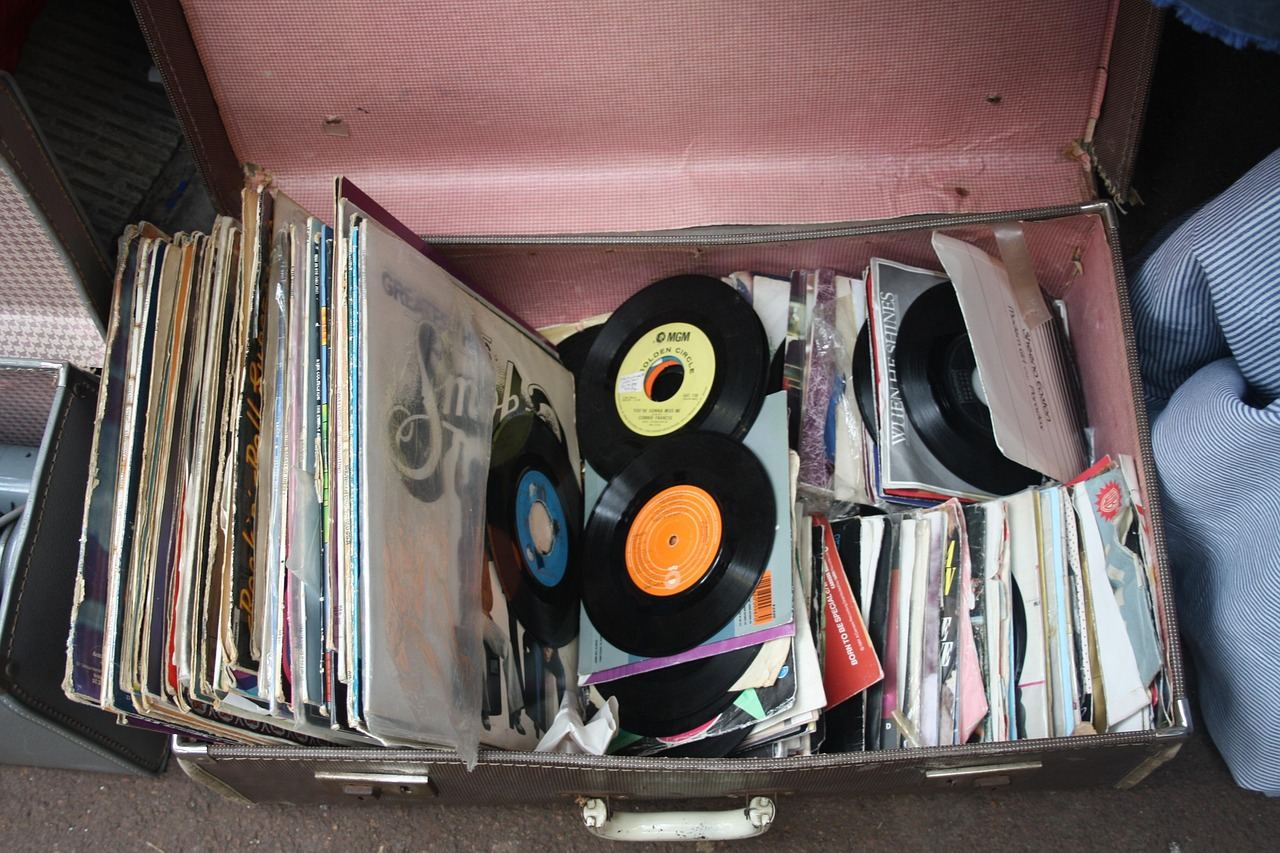
Physical formats still exist alongside streaming. Vinyl records, compact discs and cassettes are made for fans and collectors, and they bring their own requirements for mastering, artwork and lead time. Manufacturers usually need extra weeks, so these formats are planned well ahead of the digital date.
After release, work continues. Reports from distributors show where listeners are, and the earnings arrive in stages, with different sources paying on different schedules. Artists who track those reports learn which releases connect and which markets deserve attention.
Music for film, television and soundtracks
Some music is made for a screen instead of for the charts. A composer writes original score to picture, working with a director and an orchestrator, and the process of writing, recording and mixing that score is explained in the article on how film scores are made. A specialist role sits beside the composer: the person responsible for choosing existing songs and arranging permission to use them, covered in the page on what does a music supervisor do.
Putting an existing song with moving images requires permission for both sides of the song, the composition and the recording, which is the practical result of the two-copyright rule above. The process, called synchronization, is outlined in the explanation of sync licensing.
Songs and score can then reach listeners away from the screen. Collections of both are released as albums, and the way they are assembled and distributed is covered in the article on movie soundtrack albums.
Music is a part of a larger production pipeline. Picture work, such as the stereoscopic process described in the guide to 3D film production, runs alongside music and sound, and the way studios, distributors and audiences connect all of this is explained in the entertainment industry guide.
The central lesson across all of these stages is that order matters. Decisions about arrangement, recording quality, ownership and metadata are easiest to make early, and each later stage inherits whatever was done before it. A clean session, accurate credits and a clear rights record make mixing, mastering, release and any later screen placement smoother.
Frequently asked questions
What is the difference between mixing and mastering?
Show answer
Mixing balances the individual recorded tracks into a finished stereo song. Mastering treats that finished mix as one piece of audio and prepares it for release, adjusting overall tone, dynamics and loudness.
Does a song have more than one copyright?
Show answer
In U.S. law, the composition and the sound recording are separate works for copyright purposes, and each can have different owners. Rules differ by country, so this is general information, not legal advice.
Do independent artists need a label to release music?
Show answer
No. Distributors deliver finished music and metadata to streaming services and stores, and artists can register their own songs with the relevant collecting organizations.
Why does metadata matter?
Show answer
Titles, writer names, performer credits and identifying codes travel with the audio into every store. Errors can delay or misdirect payments later.