How film scores are made follows a repeatable path: the composer and director agree where music goes, the composer writes and orchestrates it, an ensemble records it to picture, and a mixer balances it against dialogue and effects.
The same path sits inside the wider music production guide, which covers recording and release for songs. This page follows the film-specific version.
Spotting: deciding where the music goes
A score starts with a conversation, not a melody. According to the encyclopedia entry on film score, the composer is shown an unpolished “rough cut” of the film before the editing is completed, and talks to the director or producer about what sort of music is required in terms of style and tone.
The same source explains that the director and composer watch the entire film, noting which scenes require original music. During this session, called spotting, composers take precise timing notes so that they know how long each cue must be, where it begins, where it ends, and which moments the music must coincide with. A cue is simply one piece of music attached to one stretch of the film.
Spotting also settles what kind of music each scene needs. The film score entry says this kind of music comes from an on screen source that can actually be seen or that can be inferred, and it is separate from the underscore the audience hears but the characters do not. Finding and clearing existing songs for those moments is a different job, described in what does a music supervisor do.
The order of work is not always fixed. The film score entry notes that occasionally a filmmaker actually edits their film to fit the flow of music, rather than have the composer edit their score to the final cut. That is unusual, but it shows that picture and music can shape each other in both directions.
Temp music and the first sketches
Directors often cut a film with borrowed music so that editors and audiences have something to react to. The film score entry describes this as editing with “temp (temporary) music”, meaning already published pieces that the director believes fit specific scenes. Temp music is a double-edged tool: the same entry notes that composers have been asked to imitate a specific style in the temp track, and that directors have sometimes become so attached to it that they rejected the original score.
The most cited example is Stanley Kubrick’s 2001: A Space Odyssey, where, according to the film score entry, Kubrick opted for existing recordings of classical works rather than the score commissioned from a composer. The lesson for composers is practical: a temp track sets expectations, so the first conversation should include what the director likes about it and what the new music should do differently.
With the timings in hand, the composer begins to write. Methods differ, but a common first step is sketching themes. A guide from Film Independent says the very first step in the writing process may be to sketch themes for individual characters and events in the film, an approach often called leitmotif.
Changes at this point are cheap, which is why they are made before musicians are booked.
- Spotting definition: director and composer watch film, note timings
- Spotting timing notes: cue length/start/end
- Composer enters near end of filming: rough cut
- Orchestrator job: single-line to instrument-specific
- Some composers orchestrate themselves: Morricone
Orchestration: from sketch to parts
Once the music is approved, it has to be turned into something an orchestra can play. The film score entry says the orchestrator’s job is to take the single-line music written by the composer and “flesh it out” into instrument-specific sheet music for each member of the orchestra to perform.
How much freedom the orchestrator has depends on the composer.
Timing matters in this stage, too. Because film music has to land on specific frames, the composer may write bars in consistent time values rather than a metronome marking. The entry describes a written click track as a method of writing bars of music in consistent time values to establish a constant tempo, used when the composer plans to conduct live performers.
Recording the orchestra to picture
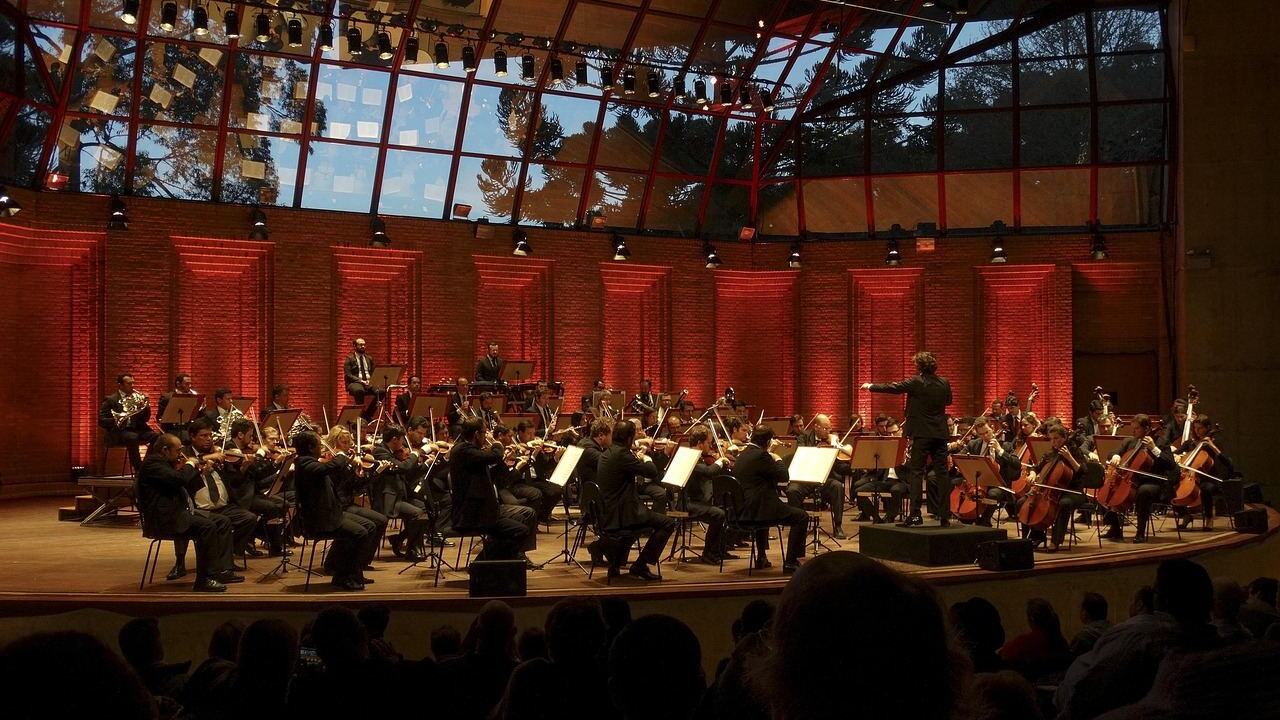
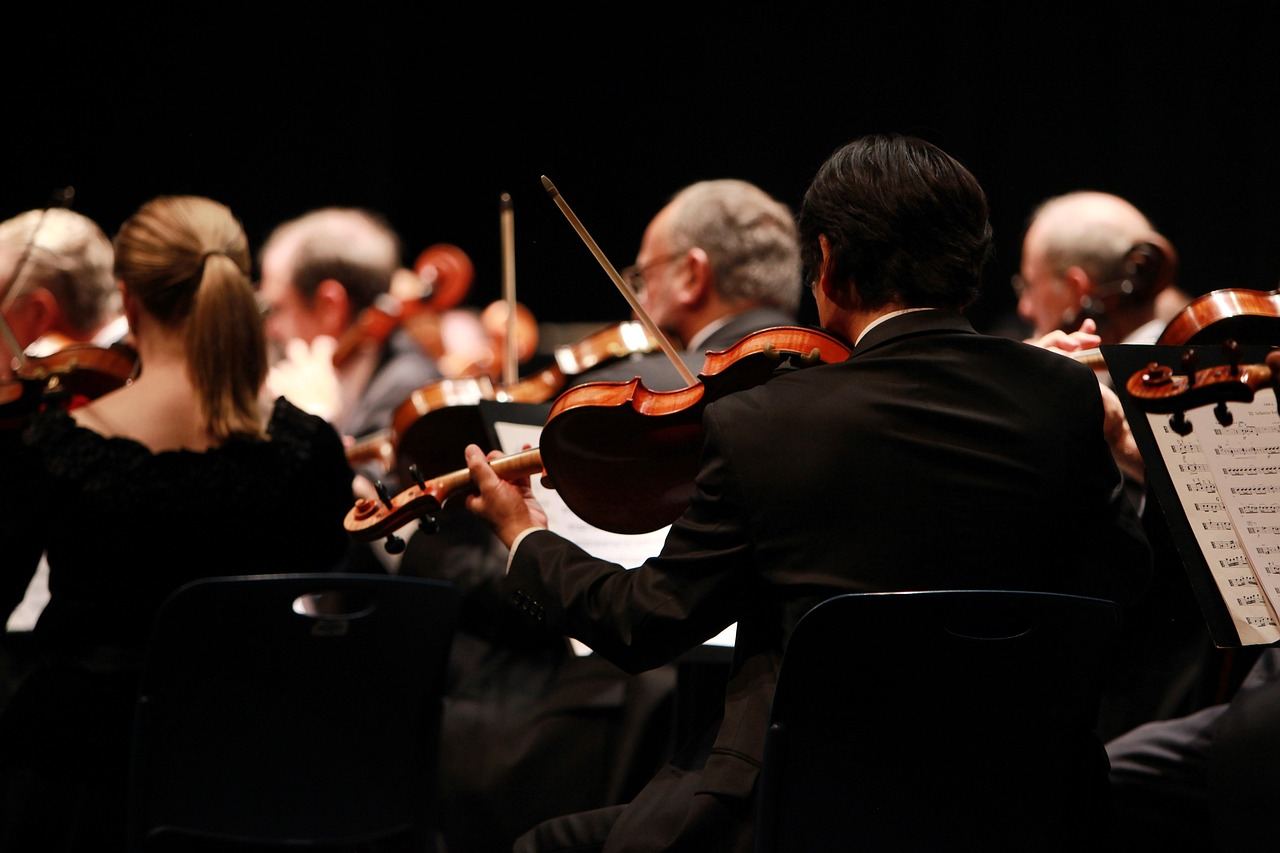
Recording usually takes place in a large studio built for ensembles. The film score entry says the orchestra performs in front of a large screen depicting the film, and the conductor and musicians habitually wear headphones that sound a series of clicks called a “click-track”, which helps keep the music synchronized with the film.
The players themselves are usually freelancers. The entry explains that musicians for these ensembles are often uncredited in the film or on the album and are contracted individually, so a recording day is assembled for each project rather than drawn from a single permanent orchestra.
The length of a session depends on the amount of music. One guide notes that recording can take several days to a week depending on the length of score, according to Film Independent. Smaller productions may record fewer players, layer samples with a few live instruments, or do the whole job in the composer’s own studio.
The amount of music varies widely. The film score entry says most films have between 45 and 120 minutes of music, though some films have very little or none, and others have a score that plays almost continuously.
Mixing the score into the film
A recorded score is first mixed on its own. The Film Independent guide says that once a score is recorded, it will then be mixed before being sent off to the re-recording mixer for the final film mix.
The re-recording mixer is the person who combines the three main soundtrack layers. According to the re-recording mixer entry, this is a post-production audio engineer who mixes recorded dialogue, sound effects and music to create the final version of a soundtrack, and the final mix must achieve a desired sonic balance between its various elements.
That balance is why a score that sounded huge in the recording room may be turned down under dialogue in the finished film. For theatrical releases the final mix may also be prepared in immersive formats, a topic covered in the article on spatial audio.
Frequently asked questions
Who writes a film score?
Show answer
A composer, usually working with the director and sometimes with an orchestrator, music editor and conductor. Smaller projects may have one person doing most of these jobs.
What is spotting in film music?
Show answer
Spotting is the session where the director and composer watch the film and decide where each music cue starts and ends. Timing notes from that session guide the whole score.
Does the orchestra play live while watching the movie?
Show answer
Usually yes. The orchestra plays in front of a screen showing the film, and a click track in the headphones keeps the tempo aligned with the picture, as described in the film score entry.
Do all films have an original score?
Show answer
No.