IMAX 3D combines a very large screen with stereoscopic depth, so the picture fills much of the audience’s view and the two eye images must be handled with extra care. Large-format cinema changes the film, the projector, the building and the 3D itself.
This page explains what changes on a giant screen, as part of the wider 3d film production guide. It is an independent informational page, not affiliated with, endorsed by or a successor to IMAX Corporation or any studio or company.
Large format defined
Large format means a bigger picture area on the film or sensor and a bigger screen to show it. According to the Wikipedia article on IMAX, the IMAX process increases image resolution by using a larger film frame. Because the frame is larger, it can be enlarged to a huge screen without looking as soft as a standard film frame would.
The same article describes how the film is handled. The IMAX 15/70 film format uses very large screens and, unlike most conventional film projectors, the film runs horizontally so that the image width can be greater than the width of the film stock. Running the film sideways is what allows a frame that is much wider than a conventional frame.
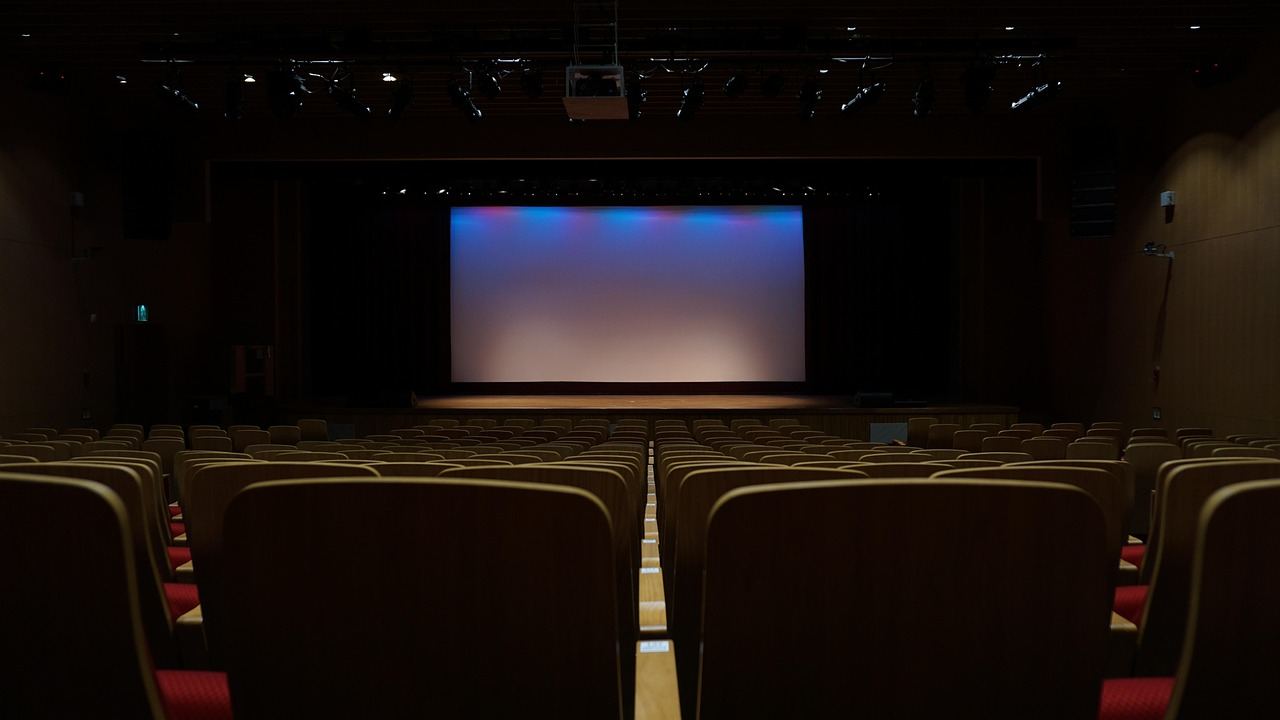
The viewing experience changes with it. The largest IMAX format, according to the article, can show content on a screen large enough to take up almost all of the audience’s vision, which is the source of the immersive feel. The article adds that IMAX is often shown in cinemas built specifically for it, to accommodate the taller aspect ratio, and that such dedicated buildings and projectors have high construction and maintenance costs.
Taken together, large format is as much about the room as about the film. The seats, the screen height and the sound system are all part of the design, so the same movie can feel very different in a purpose-built hall than in a standard auditorium.
IMAX 3D capture
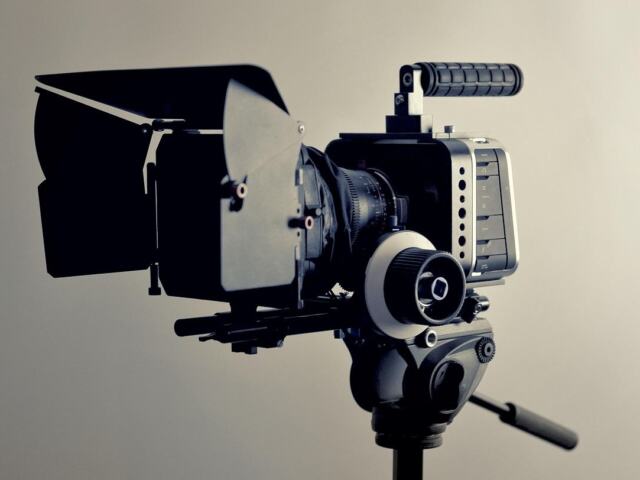
For 3D, the same article says the IMAX process uses two separate camera lenses that represent the left and right eyes, and that two separate rolls of film are used to capture the images they produce. In other words, native IMAX 3D photography follows the same stereo principle as any other rig, just with large-format equipment.
That equipment is heavy. Large cameras and two film rolls add weight and complexity, which is one reason many films have mixed approaches. The general trade-offs between rig types appear in the production guide linked above, and the comparison between shooting in 3D and converting flat footage applies equally to large format.
Several films first made for conventional digital 3D release were later shown in IMAX 3D too, according to the article.

- Larger frame: larger film frame
- Horizontal film: horizontal
- Immersion: almost all of vision
- Dedicated buildings: built specifically
- Costs: high construction costs
Separating the eyes on a giant screen
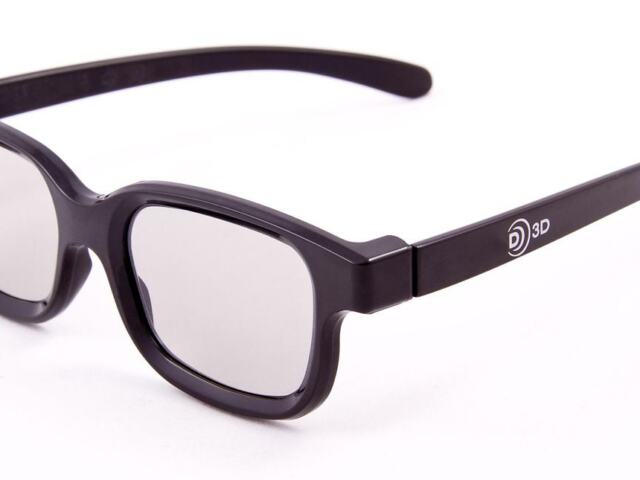
Large screens use the same separation methods as other cinemas. The Wikipedia article on IMAX says one method is to use polarizing filters to oppositely polarize the light used in projecting each image, with the viewer wearing glasses with matching filters. Another method alternates the two projections, and the viewer wears shutter glasses with liquid crystal shutters that block or transmit light in sync with the projectors.
The full comparison is in the page on polarized vs active shutter 3d glasses. On a giant screen, the choice has a practical edge: every system absorbs some light, so brightness is a bigger concern when the picture is spread across a very large area.
Digital large format
Film projectors and film prints are costly and difficult to produce at scale. The IMAX article says that, for that reason and because full-size screens need very large auditoriums, IMAX debuted a digital projection system in 2008. It adds that this system can present either 2D or 3D content using a pair of projectors.
The article also records a controversy. Digital installations were often fitted into existing auditoriums, and the screen sizes in these rooms are much smaller than those in the purpose-built auditoriums of the original 15/70 format. Critics argue that the same brand name now covers very different experiences, while the company says its format offers a bigger screen, brighter picture and better sound than standard theaters.
This split also affects filmmakers. A film made for the biggest screens may be composed with the full tall frame in mind, while the same film in a smaller digital hall is shown with a different shape and a smaller picture. Editors and directors therefore think about several presentation formats at once, and 3D adds another layer, because depth that works on a huge screen may need to be checked again on a small one.
For viewers, the lesson is that large format is not a single standard. Screen size, resolution, projector type and room design all vary, so the experience of one hall cannot be assumed in another.
Choosing a large-format screen as a viewer
Because the label covers different technologies, viewers who care about the experience can check a few things before booking. The first is whether the screen is a purpose-built hall or a retrofitted auditorium, since the size of the picture is the main thing that separates them. The second is the projection type: film, or a digital system with one or more projectors. The third is the seat. Sitting close enough to fill the field of view is the point of large format, while sitting too near the front of a very large screen can make fast motion and strong 3D effects uncomfortable.
Theaters usually list the projection format on their own pages, and the label on a ticket does not always say which version is playing. Comparing the venue details is more reliable than relying on the name alone.
Adjustments filmmakers make for big screens
A larger screen magnifies every depth decision. The handout used elsewhere on this site defines the depth budget as the maximum positive and negative parallax for comfortable viewing, expressed as a percentage of screen width. On a very large screen, the same percentage becomes a much larger physical separation between the left and right images, so distant objects can push the eyes toward divergence more easily.
For that reason, crews plan for the biggest screen a film will play on. They may keep background depth modest, avoid edge violations where objects in front of the screen are cut off by the frame, and review the picture on a large screen before finalizing. Small errors such as vertical misalignment, which forces the eyes to move apart vertically, become more obvious as the image grows.
The history of the format’s popularity is also tied to screen experience. Why audiences cooled on 3D after an initial surge is examined in the article on why 3d movies declined.
Frequently asked questions
Why does the film run sideways in 15/70 IMAX?
Show answer
Running the film horizontally lets the image width be greater than the width of the film stock.
How does IMAX 3D capture depth?
Show answer
It uses two separate camera lenses representing the left and right eyes, with two separate rolls of film.
Is every IMAX screen the same size?
Show answer
No. Digital installations in converted auditoriums have much smaller screens than purpose-built film theaters.
Do IMAX 3D glasses work like other 3D glasses?
Show answer
Mostly. Depending on the system, IMAX uses polarizing glasses, shutter glasses or, in IMAX with Laser venues, dichroic filter glasses.